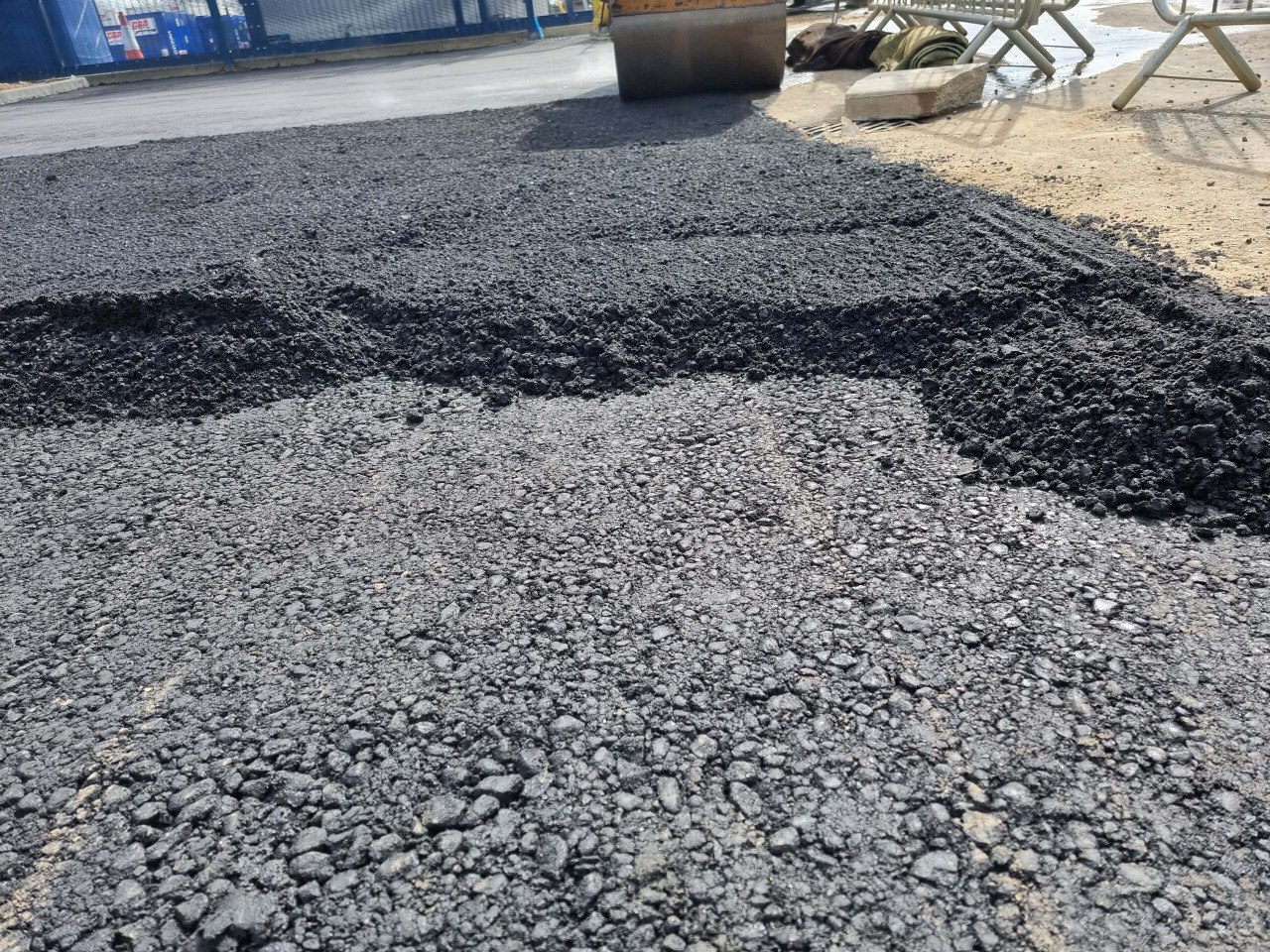
Tarmac Paths and Patios: Practical Surfacing Ideas for Outdoor Spaces
Paths and patios are important parts of an outdoor space, providing practical areas for walking, accessing different parts of a property and enjoying the garden. While traditional paving is a familiar choice, tarmac can offer an alternative surface that combines durability with a simple, consistent appearance.
For homeowners in Milton, Cambridgeshire, tarmac paths and patios can be designed to suit the layout and intended use of an outdoor area. However, successful installation depends on appropriate preparation, drainage and careful planning.
What Makes Tarmac Suitable for Paths and Patios?
Tarmac creates a firm, continuous surface that can withstand regular use. Its smooth finish makes it practical for walkways, access routes and outdoor areas where homeowners want a surface that is relatively straightforward to maintain.
Unlike surfaces made from multiple individual paving units, tarmac provides a consistent finish across the installation. This can give paths and patios a clean and uncluttered appearance.
The material can also be shaped around different garden layouts, allowing paths to connect entrances, driveways, patios and other areas of a property.
Tarmac Garden Paths
A well-planned garden path can make an outdoor space easier to navigate while creating a clear route between different areas.
Tarmac can be used for:
- Paths leading to entrances
- Routes between a driveway and garden
- Walkways around larger gardens
- Access paths to garages and outbuildings
- Practical routes through frequently used outdoor areas
The width and layout of the path should reflect how it will be used. A frequently used access route may need to be wider and more robust than a secondary garden walkway.
Tarmac Patios for Outdoor Living
Patios provide an area for seating, dining and general outdoor activities. Tarmac can create a continuous surface suitable for garden furniture and regular foot traffic.
Before installing a tarmac patio, it is important to consider the positioning of furniture, access points and surrounding landscaping. Planning these details beforehand helps ensure the finished surface works with the rest of the garden.
Tarmac can also provide a simple background for planting, raised beds and other garden features without competing with them visually.
Ground Preparation for Tarmac Paths and Patios
The quality of the foundation is one of the most important factors in a successful tarmac installation. The existing ground needs to be assessed and prepared before the surface is laid.
If the ground is weak, unstable or poorly drained, the finished surface may develop movement, cracking or other problems.
A suitable sub-base provides the stability required for the surface above it. The construction should also take account of how the area will be used and whether it will experience pedestrian or vehicle traffic.
Drainage and Surface Levels
Water management should be considered from the beginning of any tarmac project. Rainwater needs to be directed away effectively to prevent persistent pooling on the finished surface.
The levels and falls of the path or patio should therefore be carefully planned. Drainage requirements can vary depending on the property’s existing layout and surrounding ground.
Good drainage not only improves usability but can also help protect the tarmac and adjacent areas from prolonged exposure to standing water.
Maintaining a Tarmac Path or Patio
One advantage of tarmac is that routine maintenance is relatively straightforward. Regular sweeping can remove leaves, soil and other debris that may accumulate on the surface.
It is also sensible to monitor the area for cracks, damaged edges, potholes or persistent standing water. Early attention to developing defects can help prevent them from becoming more extensive.
Keeping surrounding drainage channels clear can also help maintain effective water management.
Designing Tarmac Around Your Outdoor Space
Tarmac does not have to be treated as a standalone feature. Paths and patios can be planned alongside existing landscaping and other surfaces to create a practical overall layout.
The positioning of borders, planting areas and garden features should be considered before installation. Careful design can help the tarmac surface fit naturally into the available space while maintaining clear and practical access.
Professional Tarmac Paths and Patios in Milton
A durable tarmac path or patio depends on more than the surface material itself. Proper preparation, suitable drainage and careful installation are all important for achieving a stable and functional result.
Milton Driveways provides professional tarmac surfacing services for paths and patios in Milton, Cambridgeshire. Each project can be considered according to the property’s layout, intended use and existing ground conditions.
Conclusion
Tarmac paths and patios can provide practical, durable surfaces for homeowners looking to improve the usability of their outdoor spaces. With appropriate planning, preparation and drainage, tarmac can be used for everything from garden walkways to dedicated patio areas.
If you are considering a new tarmac path or patio in Milton, Cambridgeshire, contact Milton Driveways to discuss your requirements and arrange a professional assessment.
Call us on: 01223 857 079
Click here to find out more about Milton Driveways
Click here to complete our contact form and see how we can help with your driveway needs.